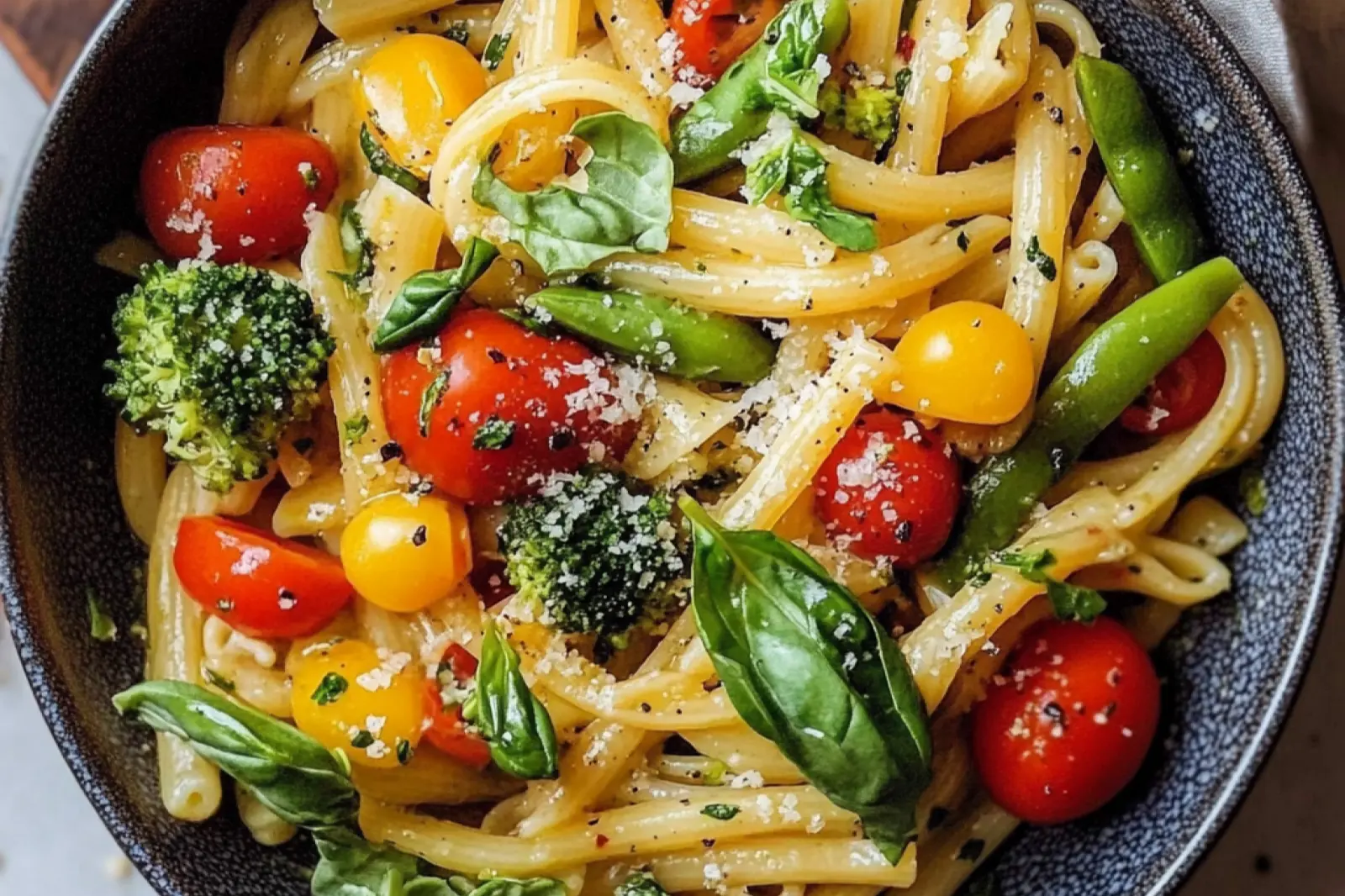
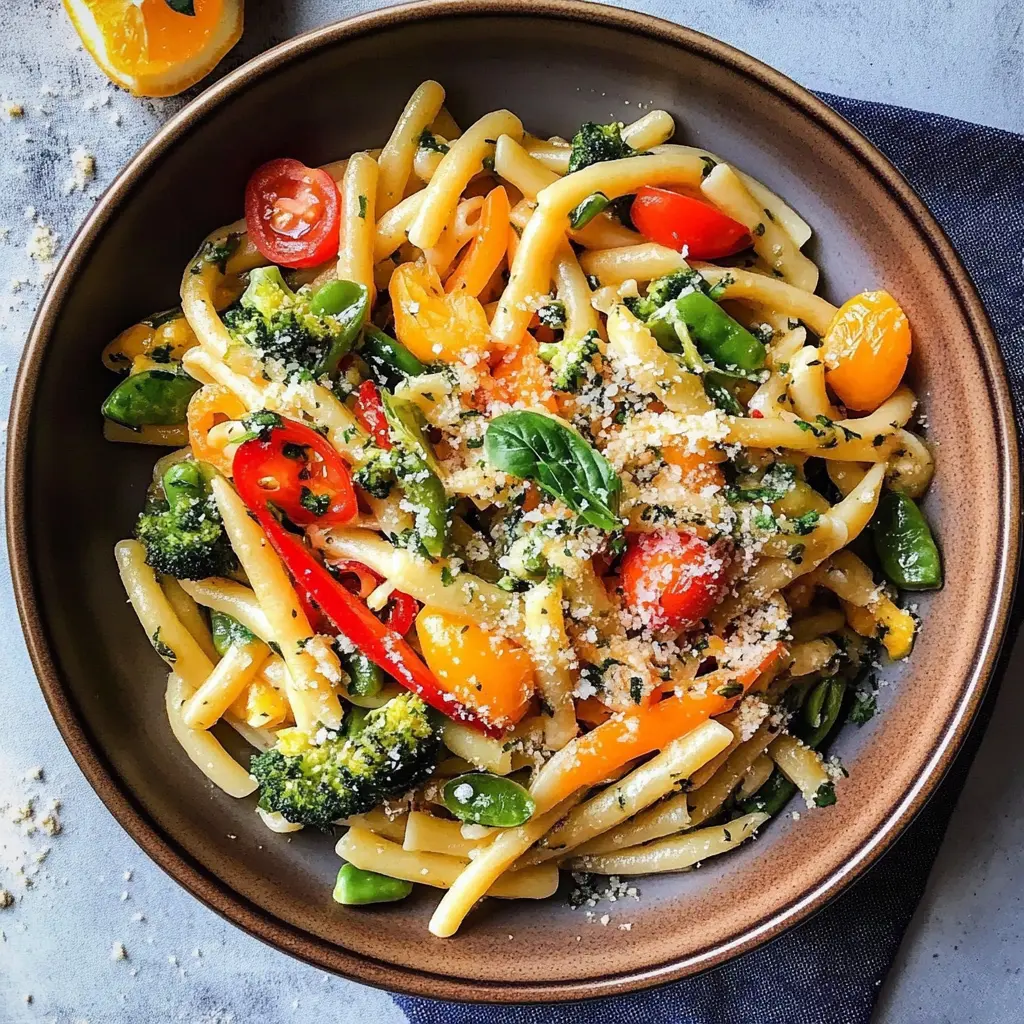
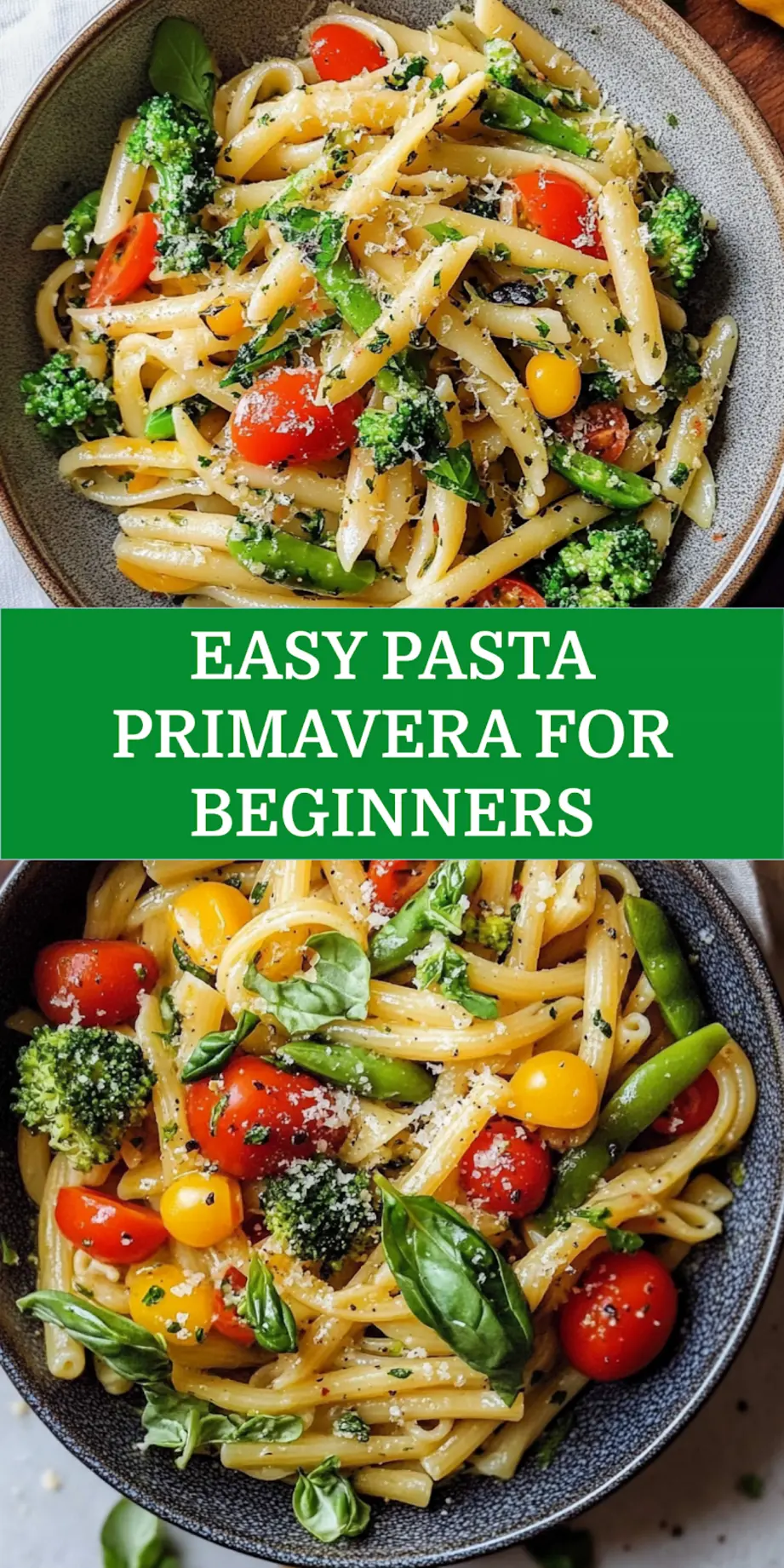
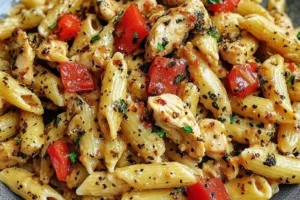
Pasta primavera is spring on a platebright vegetables, silky pasta, and a light sauce that doesn’t weigh you down. It’s simple, colorful, and comes together in about twenty minutes.
I started making this back in 2019 when I wanted something that felt fresh but still satisfied my kids after soccer practice. The first time I tossed in sugar snap peas and cherry tomatoes with garlic and olive oil, my daughter said it tasted “like a garden but better.” The trick is using whatever vegetables are brightest at the store and not overcooking themthey should still have a little snap.
Enjoy a bright and fresh pasta primavera featuring spring vegetables and a creamy lemon sauce. This easy dish is perfect for a light lunch or dinner any time of year. Simple ingredients come together quickly for a flavorful meal.
Ingredients
Scale
16 oz penne pasta
1 tablespoon olive oil
8 oz asparagus cut into 1 ½ inch pieces
1 yellow bell pepper cut into 1 ½ inch pieces
2 cups small broccoli florets
1 small zucchini chopped
Salt and black pepper to taste
2 tablespoons unsalted butter
1 shallot minced
4 garlic cloves minced
Zest of 1 lemon
Dash crushed red pepper flakes
1 cup vegetable broth
½ cup heavy cream
3 tablespoon lemon juice divided
1 cup frozen peas
½ cup shredded Parmesan cheese
1 ½ cups halved grape tomatoes
¼ cup chopped basil
2 tablespoons Italian parsley for garnish
Extra parmesan cheese for garnish
Crushed red pepper flakes for garnish
Instructions
Bring a large pot of salted water to boil and cook the pasta for 11 minutes, then drain and return it to the pot.
Heat olive oil in a large skillet over medium-high heat, add asparagus, bell pepper, and broccoli; sauté for 2 to 3 minutes, then stir in zucchini and cook another 1 to 2 minutes until tender crisp; season with salt and pepper and transfer to a bowl.
In the same skillet, melt butter over medium heat, cook shallot and garlic for 2 minutes, then add lemon zest and vegetable broth and simmer until broth reduces by half, about 4 to 5 minutes; stir in heavy cream and 2 tablespoons lemon juice.
Add frozen peas to the pasta pot along with the sautéed vegetables, pour the lemon cream sauce over everything and stir to combine.
Mix in Parmesan cheese and remaining tablespoon of lemon juice, then gently fold in tomatoes and basil, seasoning with salt and pepper as needed.
Transfer the pasta primavera to a serving dish, garnish with parsley, extra Parmesan, and red pepper flakes, and serve warm.
Notes
Veggie Variations: Feel free to mix up the veggies
Mushrooms, yellow squash, artichoke hearts, carrots, spinach, and kale
Pasta: Use your favorite pasta shape
If you need the recipe to be gluten-free, use gluten-free pasta
Protein: You can add chicken, shrimp, beans, or tofu for a boost of protein
Storing: Store leftovers in an airtight container in the fridge for up to 5 days
Prep Time:20 minutes
Cook Time:15 minutes
Category:Main Course
Method:Stovetop
Cuisine:Italian
Nutrition
Calories:375kcal
Sugar:5g
Sodium:240mg
Fat:12g
Saturated Fat:6g
Carbohydrates:52g
Fiber:4g
Protein:13g
Cholesterol:32mg
Why You’ll Love This Pasta Primavera
This recipe hits the sweet spot between wholesome and satisfying. It’s packed with tender-crisp vegetables and a silky lemon cream sauce that coats every bite without feeling heavy.
Quick and forgiving: Everything cooks in about 35 minutes, and if your veggies aren’t perfectly uniform, they’ll still taste amazing.
Flexible: Use whatever fresh produce looks best at the marketswap in yellow squash, toss in some mushrooms, or skip the zucchini if you’re not a fan.
Crowd-pleaser: The bright colors and fresh flavors make it a hit with kids and adults alike, especially when you let everyone add their own Parmesan at the table.
Key Ingredients You’ll Need
The beauty of this dish is in the balancesturdy vegetables that hold up to sautéing, fresh herbs that add brightness, and a simple cream sauce that ties it all together. Here’s what makes it work:
Penne pasta: Its ridges catch the sauce beautifully, but feel free to use whatever shape you have on hand.
Spring vegetables: Asparagus, bell pepper, broccoli, and zucchini give you a mix of textures and colors. Don’t skip the frozen peasthey add a pop of sweetness.
Lemon cream sauce: A combination of vegetable broth, heavy cream, lemon zest, and lemon juice keeps things light but rich.
Fresh herbs: Basil and Italian parsley brighten everything up at the end.
How to Make It (Step-by-Step)
Start by boiling your pasta while you prep the vegetablesit keeps things moving. Sauté the heartier veggies first (asparagus, peppers, broccoli), then add the zucchini so it stays tender-crisp. After you’ve set those aside, build your sauce in the same skillet: butter, shallot, garlic, and lemon zest create the base, then the broth reduces down before you stir in the cream.
Toss the cooked pasta with the peas, add back the vegetables, and pour the sauce over everything. Finish with Parmesan, the remaining lemon juice, and fold in the tomatoes and basil gently so they stay whole and juicy.
Pro Tip: Don’t overcook your vegetablesthey should still have a little snap when you bite into them. That texture contrast is what makes pasta primavera so satisfying.
If your sauce seems too thick, add a splash of the reserved pasta water to loosen it up. The starchy water helps everything come together beautifully. And if you want a little heat, don’t be shy with the crushed red pepper flakesthey add a nice kick that balances the richness of the cream.
Simple Swaps and Variations
One of the best things about this dish is how adaptable it is. Here are a few easy tweaks:
Grilled chicken, sautéed shrimp, white beans, or cubed tofu
Serving and Storage
Serve this warm, straight from the pot, with extra Parmesan and a sprinkle of red pepper flakes on the side. It’s beautiful in a big shallow bowl where everyone can see the colors.
Storage: Leftovers keep well in an airtight container in the fridge for up to 5 days. The sauce may thicken as it coolsjust add a splash of broth or water when you reheat it on the stovetop or in the microwave. The flavors actually deepen overnight, so don’t be surprised if day-two pasta tastes even better.
Why My Pasta Primavera Recipe Finally Works Every Time
I spent months tweaking this Pasta Primavera before it felt truly balanced. Early versions were either too oily or the vegetables turned mushy, but I finally learned the right order to add everything. Now it’s become my go-to for sneaking more veggies into weeknight dinners without anyone complaining.
FAQs (Pasta Primavera)
What vegetables work best for this spring dish?
Bell peppers, zucchini, cherry tomatoes, asparagus, and broccoli are perfect choices. Use whatever fresh vegetables you have on hand – the key is cutting them into similar-sized pieces for even cooking. Harder vegetables like carrots should be added first, while delicate ones like spinach go in last.
Can I make Pasta Primavera ahead of time?
This dish is best served immediately for optimal texture and flavor. If you must prep ahead, cook the vegetables and pasta separately, then combine and reheat gently with a splash of pasta water. The vegetables will lose some crispness but still taste delicious.
What pasta shape works best?
Penne, fusilli, or bow-tie pasta work wonderfully because their shapes hold onto the sauce and vegetables. Long pasta like fettuccine or linguine also works well. Choose a shape you enjoy – the most important thing is cooking it just until al dente for the best texture.
How do I prevent the vegetables from getting mushy?
Cook vegetables over medium-high heat and add them to the pan based on cooking time – start with harder vegetables first. Don’t overcrowd the pan, which causes steaming instead of sauteing. Keep vegetables slightly crisp since they’ll continue cooking when tossed with the hot pasta.
Can I add protein to this recipe?
Absolutely! Grilled chicken, shrimp, or Italian sausage work beautifully. Cook the protein separately first, then add it back in during the final toss. For vegetarians, try adding pine nuts, chickpeas, or cubes of fresh mozzarella for extra substance and flavor.
This pasta primavera takes about thirty-five minutes and comes together so easily, you’ll wonder why you ever ordered takeout. The vegetables stay bright and crisp, the sauce clings perfectly to every piece of pasta, and the whole dish just feels light but satisfyingexactly what you want when the weather starts to warm up. You’ll love how colorful it looks on the plate and how fast it disappears.
If you want to meal prep, this holds up beautifullyI’ve even packed it cold for lunch and loved it. Try adding a handful of baby spinach right at the end for extra greens, or toss in some white beans if you want a little more protein without meat. A trick I learned from my grandmother’s kitchen: always save a mugful of pasta water before you drainit’s your secret weapon for loosening up the sauce and making everything silky. And if you’re serving this to picky eaters, let them pick their favorite veggies to toss init makes them way more excited to eat it.
I’d love to see your version of thistag me if you make it or tell me what vegetables you used in the comments. Did your family have a go-to spring pasta growing up, or is this a new tradition for your table? Either way, I hope this recipe becomes one you come back to again and again. Save it, share it with a friend who needs an easy dinner win, and enjoy every fresh, vibrant bite.
Sharing a handpicked collection of easy, healthy recipes made in our family kitchen. Rachel brings comforting classics, while Emily adds fresh, modern ideas together creating meals that are simple, flavorful, and family-friendly.